Physiotherapy For Neurological Conditions: What Rehabilitation Involves
Physiotherapy for neurological conditions focuses on rebuilding movement, strength and independence after a diagnosis such as stroke, Parkinson's disease or another condition affecting the nervous system. Recovery isn't always linear and it looks different for everyone. This guide explains what neurological rehabilitation actually involves and how a structured day rehabilitation program can support that process.
Can Physiotherapy Help With Neurological Conditions?
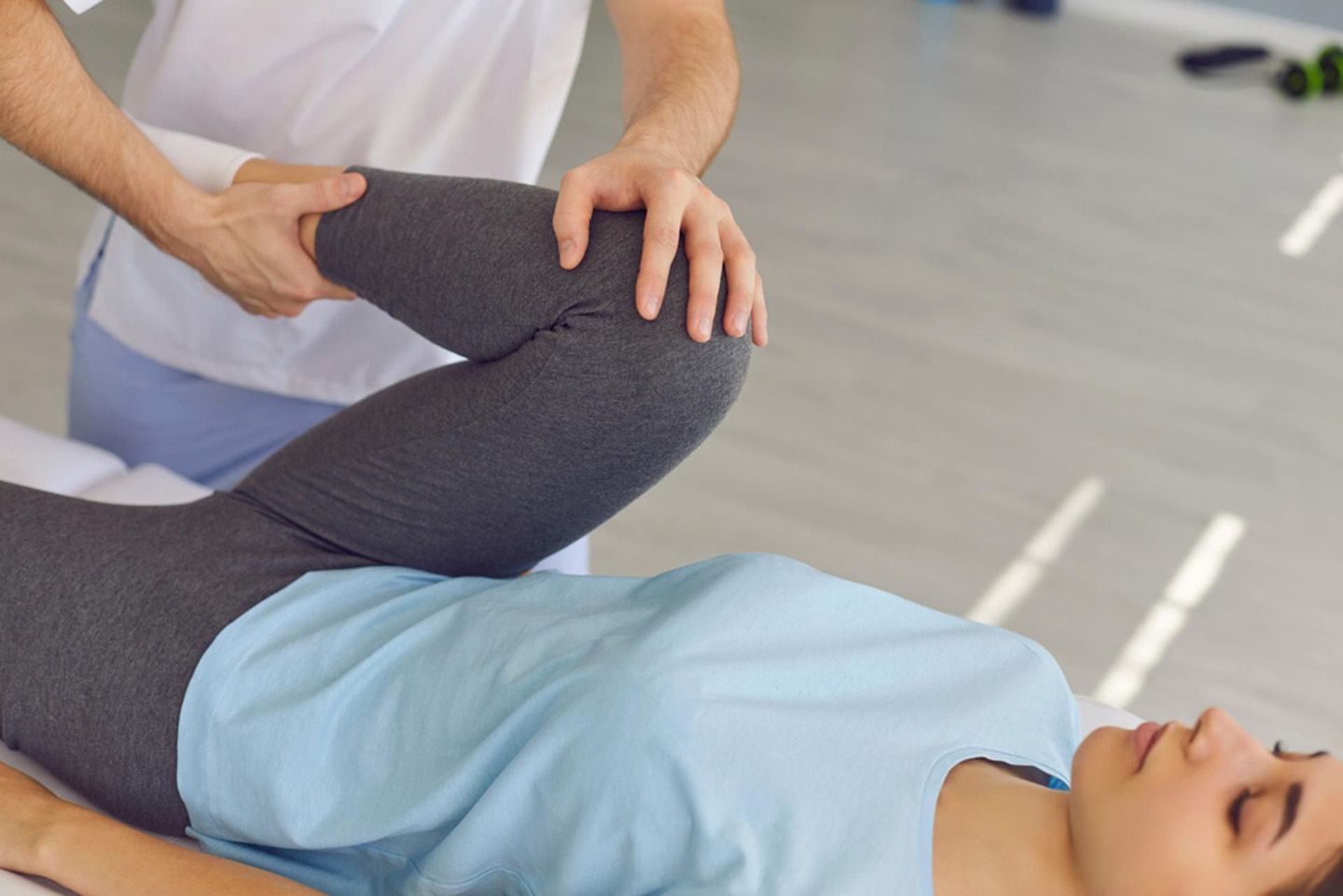
Yes. Neurological conditions affect the way the brain, spinal cord or nerves communicate with the rest of the body, which can impact balance, coordination, strength and mobility. Physiotherapy works directly with these challenges, using targeted, graded exercise to help the body relearn movement patterns and regain function over time.
For neurological recovery, physiotherapy in Lismore focuses on rebuilding movement, strength and confidence at a pace that matches each person's ability. Progress is often gradual, but with consistent, well-structured rehabilitation, many people see meaningful improvements in how they move and manage daily tasks.
What Is Neurological Rehabilitation & How Does It Work?
Neurological rehabilitation is a coordinated approach to recovery that goes beyond a single treatment session. It typically combines physiotherapy, exercise physiology and other supportive therapies to address the specific mobility and strength challenges that come with a neurological diagnosis.
Rather than following a fixed program, rehabilitation is built around the person's current ability and adjusted as that ability changes. Someone in the early stages of recovery might focus on basic movement and safety. As strength and confidence build, the plan shifts toward endurance, balance and more complex functional tasks like walking longer distances or managing stairs.
This is where a low-impact, graded approach matters. Pushing too hard too soon can set recovery back, while a plan that progresses steadily helps the body adapt safely and keeps motivation on track.
What Does Day Rehabilitation Look Like For Neurological Recovery?
Day rehabilitation is structured, hospital-avoidance care. It's designed for people who need coordinated, professional rehabilitation support but don't require an in-patient hospital stay. Sessions are attended during the day, allowing people to return home and stay connected to their normal routine while working through a structured recovery plan.
Most neurological recovery at St Vincent's is delivered through a day rehabilitation program rather than a hospital stay. A typical program draws on physiotherapy, exercise physiology and hydrotherapy, with sessions built around specific goals; whether that's improving balance, rebuilding walking ability or restoring general strength and function.
Because everything is delivered at one clinic, the plan stays coordinated. There's no gap between disciplines or duplicated assessments, just one team working from one shared understanding of how the person is progressing.
Who Is Neurological Rehab Suitable For & Who Isn't It For?
Day rehabilitation suits people who are medically stable and don't need hospital-level care, but who do need structured, professional support to regain mobility and independence. This includes people recovering from a stroke, living with Parkinson's disease or managing the ongoing effects of another neurological condition.
It's worth being upfront about the trade-off: day rehab isn't designed for acute or severe cases that still need close medical monitoring. Someone in the early, unstable phase after a major neurological event may need in-patient physiotherapy first, with day rehabilitation becoming the right next step once they're stable enough to attend sessions and manage the return home each day. If there's any uncertainty about which stage of recovery someone is at, that's a conversation worth having with a physiotherapist before starting a program.
How St Vincent's Combines Physiotherapy, Exercise Physiology & Hydrotherapy For Neuro Recovery In Lismore
One of the practical advantages of St Vincent's day rehabilitation model is that it's delivered under one roof. Physiotherapy, exercise physiology and hydrotherapy are coordinated as part of the same program, rather than being spread across separate providers.
Alongside physiotherapy, exercise physiology helps people with neurological conditions rebuild endurance and functional capacity over time. Where physiotherapy might focus on retraining specific movement patterns, exercise physiology builds the broader strength and stamina needed to sustain those improvements in daily life.
Hydrotherapy adds another layer of support. The buoyancy of water reduces the load on joints and muscles, which makes it easier for people with reduced strength or balance to move safely and build confidence before progressing to land-based exercise.
Because these services sit within one clinic at 20 Dalley Street, East Lismore, the team can adjust the plan as a person's ability changes, without the delays that come from coordinating across separate providers. The goal throughout is independence, helping someone regain the confidence and capability to manage daily tasks with less reliance on others. Many recovery principles are shared with post-surgical care — see how physiotherapy supports recovery after surgery for more on graded rehabilitation.
If you or a family member has been affected by a neurological condition and you're wondering what rehabilitation could involve, arranging an assessment is a practical first step toward understanding what a structured recovery plan might look like.
FAQs
Does Physiotherapy Help After A Stroke?
Yes. Physiotherapy is a core part of stroke recovery, helping to retrain movement, rebuild strength and improve balance. The right approach depends on how far along someone is in their recovery and what their specific mobility challenges look like.
What's the difference between day rehabilitation and hospital-based rehab?
Day rehabilitation is for people who are medically stable and don't need to stay in hospital. Sessions happen during the day, so people return home afterwards, while still receiving structured, professional rehabilitation support.
How long does neurological rehabilitation take?
There's no fixed timeline. Recovery depends on the condition, its severity and how the person responds to treatment. Programs are adjusted as ability changes, rather than following a set number of sessions.
Can exercise physiology help with neurological conditions?
Yes. Exercise physiology complements physiotherapy by focusing on building endurance, strength and functional capacity, which supports longer-term recovery alongside movement-specific physiotherapy work.
Is hydrotherapy suitable for neurological rehabilitation?
Often, yes. Water-based exercise reduces strain on joints and muscles, making it a useful option for people who need to rebuild strength and balance safely before progressing to land-based exercise.
What if someone isn't ready for day rehabilitation yet?
That's a common situation, particularly soon after a major neurological event. In-patient physiotherapy may be the right first step, with day rehabilitation becoming appropriate once the person is medically stable enough to attend sessions and manage daily life at home.