How Physiotherapy Supports Recovery After Surgery
Surgery is rarely the end of the process — for most people, it's the beginning of a recovery period that can be just as demanding as the procedure itself. Whether it's a knee replacement, a spinal procedure, shoulder surgery or an abdominal operation, the body needs time and structured support to regain function. What happens in the weeks and months following surgery often has a direct bearing on how well a person returns to daily activities, work and movement.
Physiotherapy plays a central role in that recovery process. For anyone seeking physiotherapy in Lismore, understanding what post-operative physiotherapy actually involves, and why it's typically recommended as part of a surgical care plan, helps set realistic expectations and supports a more informed approach to recovery. From managing swelling and restoring movement in the early stages through to rebuilding strength and confidence over time, physiotherapy addresses recovery across multiple dimensions that rest alone cannot.
The Early Stages of Recovery Are When Physiotherapy Matters Most
The period immediately following surgery is often when people feel least inclined to move. In many respects, that instinct makes sense. Pain, swelling and fatigue are all legitimate reasons to rest. But controlled, guided movement introduced at the right time in the early post-operative phase plays an important role in reducing complications that can otherwise slow the overall recovery timeline.
Early physiotherapy intervention typically focuses on circulation, breathing and gentle movement rather than strength or function. Following certain surgeries, particularly those involving the chest or abdomen, breathing exercises are a standard part of early physiotherapy to support lung function and reduce the risk of respiratory complications. For joint and limb surgeries, gentle range-of-motion work introduced progressively helps manage swelling and prevents the degree of stiffness that can become a significant obstacle later in recovery. What this looks like in practice varies considerably depending on the type of surgery and the individual's baseline health and mobility.
Regaining Movement After Surgery Takes More Than Time
One of the more common misconceptions about post-operative recovery is that rest and time are sufficient to restore normal movement. For many surgeries, particularly those involving joints, tendons, ligaments or the spine, the tissues that have been repaired or altered will not return to full function without structured rehabilitation. Scar tissue forms as part of the healing process and, without appropriate movement and loading, can restrict the range of motion of a joint or limb in ways that become progressively more difficult to address.
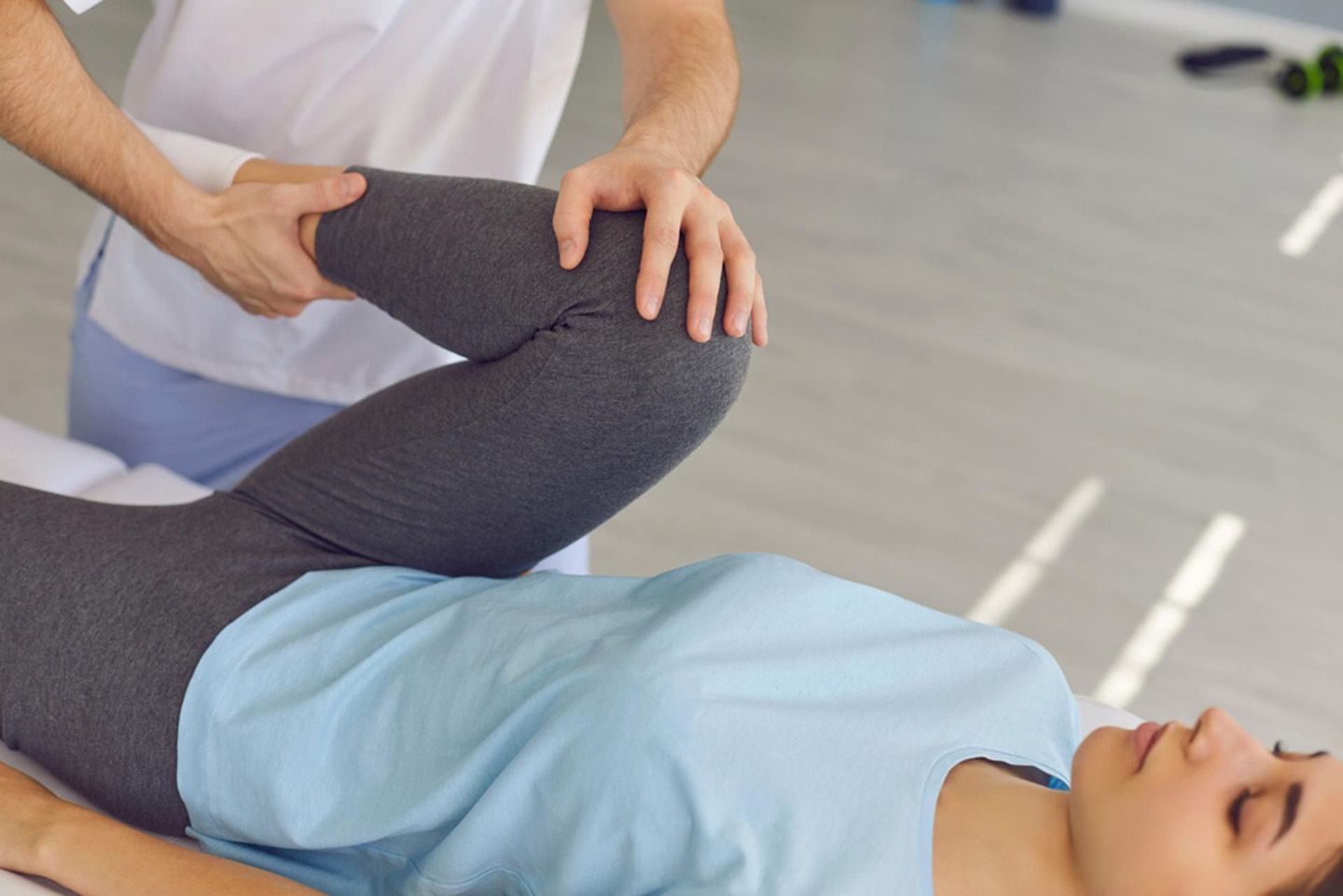
Post-surgery physiotherapy targets range of motion through a combination of manual therapy, guided exercise and education about how to move safely during daily activities. The progression is gradual and guided by how the tissue is responding, with each stage building on the last. For those undertaking post-operative physiotherapy, the process typically involves:
- Assessment of current range of motion against the expected range for the post-operative stage
- Hands-on techniques to address joint stiffness and soft tissue restriction where appropriate
- A home exercise programme designed to reinforce the work done in clinic between appointments
- Progression of exercises as healing allows, with adjustments based on how the body is responding
Muscle Weakness After Surgery Is Normal — and Addressable
Muscle wasting begins within days of a limb or joint being immobilised or offloaded, and the degree of weakness that follows surgery can surprise people who were physically active beforehand. This isn't a reflection of fitness prior to surgery — it's a predictable physiological response to reduced loading and the inflammatory process associated with tissue repair. Addressing that weakness is a core component of rehabilitation, and it requires a graduated approach that respects the healing timeline of the repaired structures.
Rebuilding muscle function after surgery isn't simply a matter of returning to previous exercise habits. The neuromuscular control — the coordination between the nervous system and the muscle — also needs to be retrained, particularly following joint surgery. Physiotherapy addresses both the strength and the movement quality aspects of recovery, which together support a return to function that's more complete than strength alone would provide.
Pain Management Is Part of What Post-Surgery Physiotherapy Addresses
Pain following surgery is expected, but it exists on a spectrum — and understanding the difference between pain that reflects normal healing and pain that warrants attention is something a physiotherapist can help with. Persistent pain that isn't reducing as expected, or pain that increases with certain movements, is information about how recovery is progressing and whether the current rehabilitation approach needs to be adjusted.
Physiotherapy contributes to pain management through several mechanisms that don't involve medication. Movement itself, when introduced appropriately, can help modulate pain through neurological pathways. Reducing swelling through elevation, compression and specific exercises also has a direct effect on post-operative discomfort. Manual therapy techniques applied to surrounding structures, rather than the surgical site itself, can address the compensatory tension that builds in muscles working around a healing area. For people managing post-operative pain, physiotherapy near you offers a practical, hands-on component of care that complements the broader medical management plan.
Returning to Daily Activities Requires More Than Physical Healing
Returning to daily life after surgery, whether that means walking to the letterbox, driving, cooking, getting back to work or caring for others, involves more than the physical healing of the operated area. Confidence in movement, an understanding of what's safe at each stage and the gradual rebuilding of functional capacity all play a role in how smoothly that transition happens. For many people, the gap between being physically healed and feeling ready to resume normal activities is bridged through physiotherapy.
Functional rehabilitation focuses on the tasks and movements that matter most to the individual, rather than generic exercise progressions. This might involve practising stair climbing after a lower limb procedure, working on overhead reach following shoulder surgery or rebuilding the core endurance required for extended sitting or standing at work. The relevance of the exercises to real life tends to support both the physical and psychological aspects of recovery.
Not All Post-Operative Recoveries Follow the Same Path
Post-surgery physiotherapy is not a single programme applied uniformly to everyone who has had an operation. The type of surgery, the individual's age, their baseline fitness and health, any complications that arose during or after the procedure and the demands of their daily life all influence what rehabilitation looks like and how long it takes. Two people who have had the same operation may follow quite different recovery trajectories based on these factors.
This is why assessment and ongoing monitoring are central to post-operative physiotherapy rather than a one-time event. A physiotherapy plan that made sense in the first two weeks of recovery will look quite different by weeks six or eight, as healing progresses and capacity increases. The ability to adjust the approach based on how recovery is actually going rather than how it was expected to go is part of what makes physiotherapy a dynamic component of post-surgical care. For anyone accessing post-surgery physiotherapy, the value of individualised assessment at each stage is significant.
Pre-Surgery Physiotherapy Can Influence How Recovery Goes
The focus of this article is post-operative recovery, but it's worth noting that the period before surgery also has a bearing on how recovery unfolds. Prehabilitation — physiotherapy undertaken prior to a planned surgical procedure — aims to build strength, mobility and physical resilience in the weeks before the operation. The rationale is that a body that enters surgery in better functional condition may be better placed to manage the demands of recovery.
Prehabilitation is not appropriate or available for all surgical situations, particularly emergency procedures, but for elective surgeries with a lead time of several weeks or more, it's an option worth discussing with both the treating surgeon and a physiotherapist. The specific focus of pre-operative physiotherapy varies by the type of surgery planned, but commonly includes:
- Strengthening the muscles that will be most affected by the procedure and the post-operative rest period
- Practising the exercises and movements that will be used in early post-operative rehabilitation
- Addressing any existing movement restrictions that could complicate recovery
- Building an understanding of what the post-operative period will involve and how to navigate it
What to Look for When Choosing Post-Operative Physiotherapy
Selecting physiotherapy support for post-operative recovery involves a few practical considerations beyond location and availability. The physiotherapist's familiarity with the type of surgery involved is relevant — someone who regularly works with post-surgical patients will have a more detailed understanding of the tissue healing timelines, the common complications and the appropriate progression of rehabilitation for that procedure type.
Communication with the surgical team is also worth considering. A physiotherapist who can liaise with the surgeon or the hospital discharge team has access to information about what was done during the procedure, any intraoperative findings and any specific precautions that apply to the individual's recovery. For people seeking post-operative physiotherapy, a few things worth considering when making the decision include:
- Whether the practice has experience with the specific type of surgery you have had or are planning
- The availability of appointments at a frequency that suits the stage of recovery — early recovery often benefits from more frequent contact
- Whether the practice can communicate with your surgical team or GP as part of your care
- The accessibility of the clinic in terms of location and physical access, particularly in the early post-operative period when mobility may be limited
We at St Vincent's Physiotherapy & Day Rehabilitation Are Here to Support Your Recovery
We at St Vincent's Physiotherapy & Day Rehabilitation work with people at all stages of post-operative recovery, from the early days following surgery through to the later phases of rehabilitation when the focus shifts to returning to full activity. Our Lismore location means we're well placed to support patients recovering from procedures at local and regional hospitals, and we understand the practical realities of managing recovery in a regional setting where access to services can sometimes be more limited than in metropolitan areas. If you or someone in your family is preparing for surgery or is currently in post-operative recovery and would like to discuss how physiotherapy near you could support that process, we'd welcome the opportunity to talk through your situation and what we may be able to offer. Reach out to our team to arrange an initial appointment at a time that works for you.